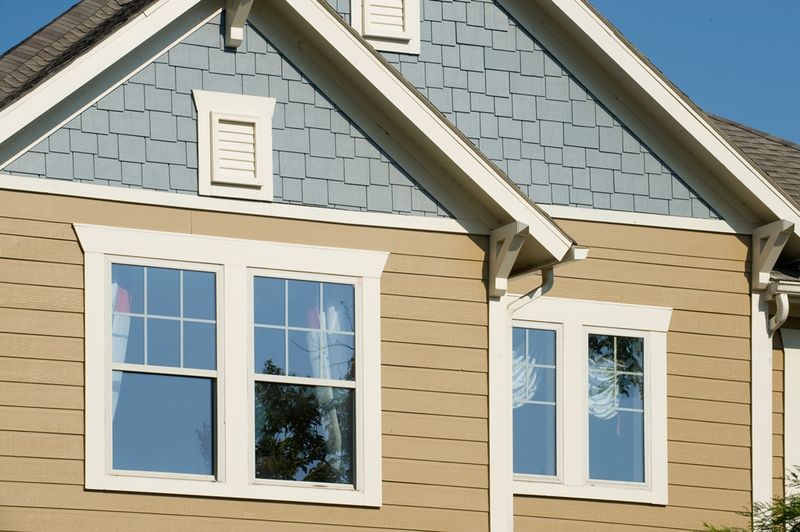
Without question you should invest your money in Fiber Cement Siding for the following reasons:
1. Authentic and more tranditional appearance.
2. Better fire rating.
3. Does not fade like vinyl.
4. Higher Return on Investment.
5. The ability to paint your house should you choose, down the road.
6. Will not warp, buckle or move on the walls.
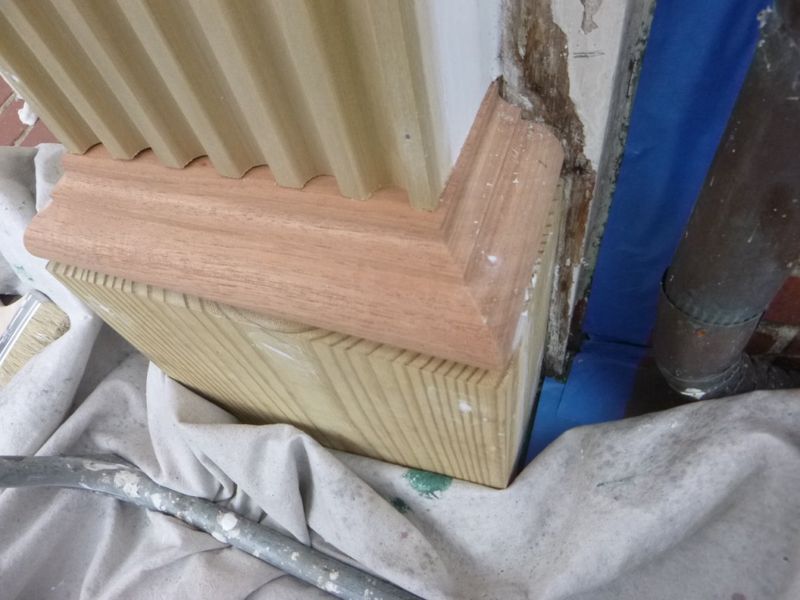
7. The trim finshes that can be achieved with Fiber Cement are not possible with vinyl.
How would you like to have been the last person on your block to have bought Aluminum Siding 30 years ago? That is the reality of today's exterior cladding market. The vinyl industry is scambling but have yet to come up with a viable alternative to Fiber Cement. There are some new composites that are starting to make inroads but they are still too costly and are in limitied profiles.
Be sure to choose a Perfered James Hardie Contractor so you know all the best practices will be followed in accourdace with the manufactuere's specifications.
Unlike vinyl, Hardie Board needs a skilled craftsman to insure a propoer and long lasting installation.
Michael Damora
K & B Home Remodelers
It would be in the best interest of maintaining the quality of the material to use an over the door wreath hanger. Happy Holidays
We at NEWPRO have a alternate view from our industry colleague, Mr. Damora. Since the greatest concern you voiced was the lack of insulation in your extension, we recommend Vinyl Composite Siding, also know as Insulated Vinyl Siding.
Hardie Plank is a cement board; it's composition is sand and water. It is heavy on the wall and provides no insulation value. Formed to resemble wood, it fails to provide a deep, rich grain and does not come close to the look of wood. It is highly susceptible to mold and mildew. Hardie Plank has many seams and the seams must be sealed or water can infiltrate behind the siding. It can crack and if it does, you must tear the whole wall down in order to replace just one plank. It also is not maintenance free and requires painting every 10 years.
Insulated Vinyl Siding solves all of the aforementioned problems. It has high R-value, some up to 5.3, and has the potential to yield an 80% return on investment due to the increased energy efficiency and lower energy bills. You can learn more about this from the highly respected Remodeling Magazine's Cost to Value 2014 Report.
Additional benefits of Insulated Vinyl Siding include:
I hope this information is helpful. Being located in Massachusetts, we didn't get nearly as rough of a winter as the Chicago area, but we can certainly understand why you put insulation so high on your Siding Needs List!
All the best,
Michelle Slowe
NEWPRO
The best solution would be to remove the existing shower base and install one that was properly set up to drain. There are different solutions depending on what you have existing there currrently. What kind of material is the shower base?
Hi Connie,
You have condensation on your new windows. This is common with new windows that are air sealing your home better than the old ones. It also means you have humidity in the air in your home that is attracted to the coldest surfaces. A glass of cold water will do the same thing. Winter time will bring cold temperatures which will cool the glass of the windows. Check to make sure the humidity in the home is 30-50% and wide the water off the windows and window sills. Opening shades or blinds to allow air flow may also help.
Ken Ware
The most cost effective things that you can do to improve your homes energy efficiency will depend on the existing condition of your building envelope, the efficiency of your equipment, and humiditiy control.
Addressing the condition overhead and tightening the building envelope are basic principles involved in maintaining efficient temperture control in the home. Thermal imaging will clearly indicate areas of major heat loss.
There are many types of structures and styles of thermal barriers. Therefore, you are best advised to have an energy consultant from a Home Energy Rating Service HERS evaluate of your particular home and assist in identifying the weakness of your home envelope and machanical equipment. Such a report can provide you with a roadmap to begin taking steps to improve the overall efficiency of the home.
Hello Alex,
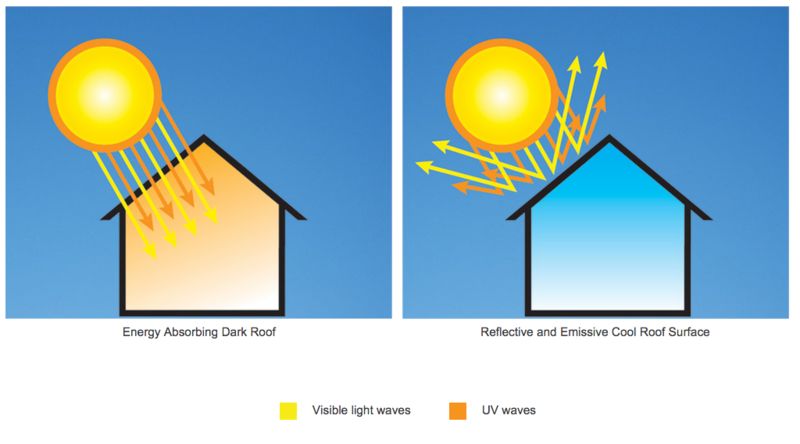
One alternative that most homeowners are not aware yet is reviewing your Roofing System. Along with the attic insulation, the type of roof you have can make a huge difference on how energy efficient your home is.
Most roofing materials (especially asphalt composite roofs) absorb solar energy and transfer heat to your home (requiring more air-conditioning during summer). On the other hand, energy efficient Metal Roofs are reflective and emissive. They bounce most of the sun's visible and UV light - meaning less heat transferred to your home. Independent studies show energy savings of up to 25%.
The Interlock Metal Roofing System is Energy Star certified (US only). More than energy efficient, our roofs are truly sustainable, being made of up to 95% recycled material, reducing the dependence of asphalt and stopping the cycle of old roofing material going to landfills. It is a lifelong solution that is better for your home, your pocket and the planet.
It looks like the mason did a good job concerning the texture. But the color is way off. Unfortunatly its not easy to match new to old. The good news- Staining morter isnt hard to do if its not sealed. I suggest a few practice bricks and some best efforts at staining them to match, then do the rest. The bad news- it will probably never be pefect and if it is it will show after a few years of all that Texas weather torture.
This really depents on how the exisitng garage is framed, but in most cases is could be possible. Would entail a new header and side studs, then then siding & trim.
I have constructed wine cellars and installed basements under existing houses. I can tell you right up front it won't be cheap. And it is not easy.
Have you considered building an above ground wine cellar, or building one underground but not under the house?
I will have to disagree with the last answer. Whether they work or not depends on the vegetation. I don't care for the reverse curl systems because of their tendency to overshoot during heavy rains. We use a grate style cover that keeps out 95% of the stuff and 99.99% of the stuff that forms clogs. We haven't had one clog in 10 years and the system that we specify catches all the rain.
Not a difficult job at all. Depending on the details it can be done in a half a day. More details - more time.
I aggree with everyone above. In our experience the most common thing that tends to happen in the design process is that the design tends to overrun the budget and often there can be delays and added expense as a result.
Mike made a good point.....were any inspections done? What's the age of this home? Size of home? Size of original service v/s new panel? Was the re-wire part of a heavy-up? If done incorrectly, this can lead many problems.