Alex Graham asked:
May 15, 2014


With a lump sum contract, all the risk is placed on your contractor. If you want assurance, a lump sump contract with a professional remodeler will give you a guaranteed price... but be sure you have a clear understanding of change orders and hidden condition clauses in the contract, as well as finding out if any allowances are realistic. Cost plus, you take on all the risk. Everything is billable, and the contractor has no risk for this. In return, you might be charged a lower markup. So if you are willing to take on some risk or if you have a highly evolving project, a cost plus contract might help you. You must have a clear discussion of maximum price and be prepared for price escalation, though. Any other question on the subject?

Ask for references of their Clients who worked with the architect in the past year on a project similar to what you're planning.
Ask for a copy of their contract
Who owns the plans and specifications?
Ask to visit a project that is in process
How long have they been in business?
Who will be our main point of contact? and then ask to meet the individual
Dennis D. Gehman, Master Certifed Remodeler (MCR)
President
Gehman Design Remodeling
PA297
RetroFoam
PA120258
Office 215-513-0300

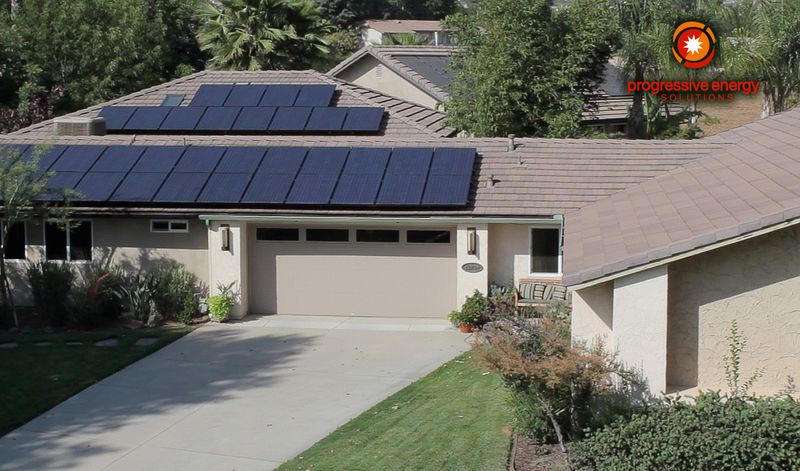
Get with a local solar company and have them look at your plans. You may be building a home that cannot work with solar due to your roof pitch, orientation or shade. Let them give you a site assessment and run the financials based on your available incentives. You can look them up here: http://dsireusa.org/


The shape of your roof will definitely have an impact, but generally speaking, solar pays for itself in spades.
The other thing to consider is that solar is ideally tailored to your personal electricity requirements, which you won't know for sure until you've been in the house a few months (a year, for a complete picture). You're probably safe installing a smaller system (which is what you usually find on new construction), but you'll likely find it won't cover everything. If you decide to go forward now, just make sure the system is expandable down the line; this is one of many reasons you'll want microinverters as opposed to a string inverter.
Good luck!


Since 80% of a window is glass, it is always wise to pick the right glass for the direction the window faces in your home. LowE 366 Argon filled glass for the south and west exposures may be the best fit. LowE 272 Argon filled glass for the north and east exposures might save you money and be just fine in those locations. Visable light will be something you want to check if you have plants that require lots of light to grow. The higher the number the more light for the plants. Any window that has a U value of .27 or lower will be very energy efficient in both the summer and the winter. Double pane vs. triple pane may make a difference, so be sure you review the manufacturers specifications before you make that decision.
The other decision you have to make is what kind of frame you want the window made of. Vinyl, wood, wood clad and fiberglass are the main options you will have to consider. Each has their plus and minus points. However, as I stated above, 80% of a window is glass and most quality windows have the same glass options from the same manufacturers, so be sure you pick the right glass with a low U value and you should be happy.
Also, keep in mind that installation of the window is just as important as the quality of the window and the glass that is in it. I advise you to get two or three bids and check each contractor out to make sure they have happy window clients.


Hey Scott,
I would say the best course of action would be to contact a certified mold remediation company and set up an inspection to determine if mold is present, because you never know what kind of mold it may be and it's better to be safe than sorry!
Hope this helps!
Eric Consuegra, Arocon Roofing and Construction, LLC
How will they integrate design, selections, and construction?
What is their track record for being able to design a project that meets a target construction budget, and actually complete the construction project?
How do they help to ensure that the project ends up on time, on budget, and as beautiful as imagined?

Solar Panels are increasing in energy generation and energy storage is getting better and better. You definitely need to make sure that your dwelling is positioned on the property to maximize benefits. While it is way down the road, make sure to investigate the implications of what happens when the day comes to replace your shingles. I would make sure you also have adequate insurance in the event the panels are damaged by hail, trees etc. and that you have a comprehensive maintenance program in place should you elect to have panels installed. You may want to check with your local building code authority and see if you are able to have solar panels on your property other than on the roof if you have enough space. Just like the VCR, solar panels are coming down in cost and going up in efficiency, so you may want to wait. If you could have many less panels in the near future, that produce more output, that may be the best choice. Here is a link of many residential applications https://images.search.yahoo.com/search/images;_ylt=A0LEVzpL309ThhkA45xXNyoA;_ylu=X3oDMTB0YXQwZXBpBHNlYwNzYwRjb2xvA2JmMQR2dGlkA1ZJUDQxNl8x?_adv_prop=image&fr=yfp-t-745-s&sz=all&va=solar+panels+homes
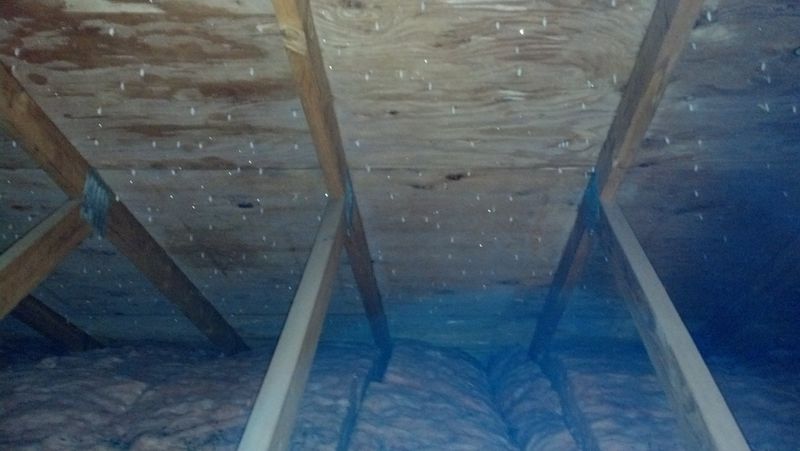
Contact an established mold remediation company. Mold can be dangerous to your health and you don't want to take any chances. We run into mold frequently due to just the situation you have. As seen in the picture, oftentimes the airflow from the soffit into the attic is clogged with insulation causing humidity to be trapped in the attic. This is another contributor to mold so make sure you don't also have this situation. We always use a certified and credentialed mold company. This is not an area you want to cut corners.

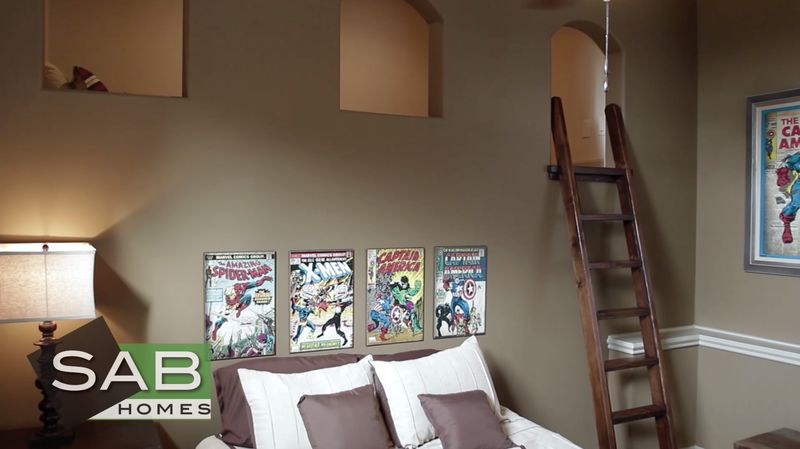
Our Boulevard model included a loft style bed in the guest bedroom. Kids could climb up the ladder and enjoy their own semi-private sleeping nook or play area. This home also had an elevator incorporated into the floor plan. The "elevator" area was a walk-in pantry, with conversion to an elevator later as an option.
Adrienne with SAB Homes