John,
There are options available to go solar and be completely independent of you local utility provider. However, this type of set-up (solar+storage) is much more costly than the traditional "grid-tied" system mentioned by Mr. Cook. There are significant developments in the works for the energy storage industry and speculation suggests that batteries will become more reasonably priced in the next 3-5 years or so.
Until then, many folks are opting to install a grid-tied solar panel system, which can often offset 100% of your utility bill (minus a nominal monthly interconnection fee of $5 or so). In some cases, fully offsetting your electric bill isn't possible because of shading or roof complexity. When battery storage becomes more affordable, you can add storage and truly become energy independent!

All of the answers given were great options. There are many, many ways to improve a home's energy efficiency. As we are a siding and window company, my focus will be on those areas. Windows are a huge energy loss/gain. Did you know that windows and doors account for approximately 50% of your heating/cooling loss? Air leaks around a window or door due to a crack of 1/16" of an inch is like having a hole in your wall the size of a brick. In the average home, that is equal to about 15 bricks. Consider how large that "hole" is in your home. The glass package is the most important thing to consider when replacing windows. Most folks just look at the cost of the window and install, and some smoke and mirrors some companies like to drag on about. A smart homeowner knows what Low-E is, what a good U-Factor rating is, whether or not it's single, double or triple pane glass, etc. etc. Same features apply to most doors. Lastly, siding is another area where a homeowner can save money. Check into insulated siding. Check to see what kind of underlayment is being applied to your home. Many companies don't even put a housewrap on to save cost and the average homeowner never knows. Make sure you only hire someone who is appropriately licensed and insured. Ask to see those documents. Hope this helps folks looking to replace siding, windows or doors! Happy remodeling!
GAVIGAN HOMES// Go 15 Seer minimum and check your duct work. Metal boxes instead of fiber board are huge mold mitigation upgrades. Get a blower door test
The most cost effective things that you can do to improve your homes energy efficiency will depend on the existing condition of your building envelope, the efficiency of your equipment, and humiditiy control.
Addressing the condition overhead and tightening the building envelope are basic principles involved in maintaining efficient temperture control in the home. Thermal imaging will clearly indicate areas of major heat loss.
There are many types of structures and styles of thermal barriers. Therefore, you are best advised to have an energy consultant from a Home Energy Rating Service HERS evaluate of your particular home and assist in identifying the weakness of your home envelope and machanical equipment. Such a report can provide you with a roadmap to begin taking steps to improve the overall efficiency of the home.
Hello Alex,
One alternative that most homeowners are not aware yet is reviewing your Roofing System. Along with the attic insulation, the type of roof you have can make a huge difference on how energy efficient your home is.
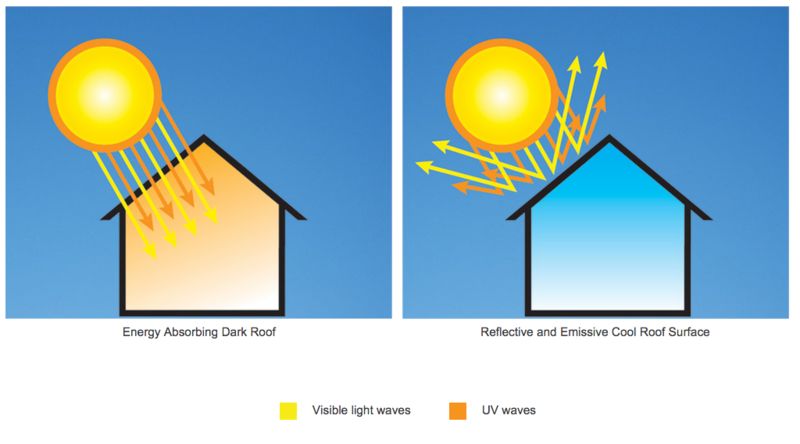
Most roofing materials (especially asphalt composite roofs) absorb solar energy and transfer heat to your home (requiring more air-conditioning during summer). On the other hand, energy efficient Metal Roofs are reflective and emissive. They bounce most of the sun's visible and UV light - meaning less heat transferred to your home. Independent studies show energy savings of up to 25%.
The Interlock Metal Roofing System is Energy Star certified (US only). More than energy efficient, our roofs are truly sustainable, being made of up to 95% recycled material, reducing the dependence of asphalt and stopping the cycle of old roofing material going to landfills. It is a lifelong solution that is better for your home, your pocket and the planet.
We've used Kohler generators for years and had great experiences both from the sales staff and the service staff. They have great options now for the transfer switches with options for locking out specific loads without having to go to the expense of a separate generator panel. The specific size/design/installation is best left to your professional electrician- Good luck!
Are your heating & cooling bills going through the roof? Did you know that up to 40% of a home’s conditioned air escapes through the attic? Adding attic insulation is the most effective thing you can do to reduce greenhouse gas emissions.
Generac, Kohler and Briggs Stratton control about 90% of the residential standby generator market in the US. All three are established manufacturers with broad and reliable product lines. A more important consideration might be standby generator control systems - modern CPU-based controls make it possible to serve more loads with less capacity than older on-off only controls.
Getting to the best match for each individual situation requires sales technicians who stay current on changing generator and control product lines as well as basic residential wiring.
Here are some questions you should hear from your sales person:
How many kW is the house going to draw? Generac probably has the biggest market presence but if were going big, Kohler, Onan, and Cummins are great.
I agree with Lane. There are maintenance companies that can services your entire Hvac system at a low cost so you keep the life of the units.
I really noticed a difference in my electric bill when I put in a programable thermostat for my HVAC. I tend to keep the air down low and would forget to turn it up when I went to work. The new thermostat does that for me.
I think the plans are a good idea especially for older homes. Making sure you change your filters regularly is by far more important.