Definitely replace your air filters every single month as this is a big contributor to a home's energy efficiency when it comes to HVAC
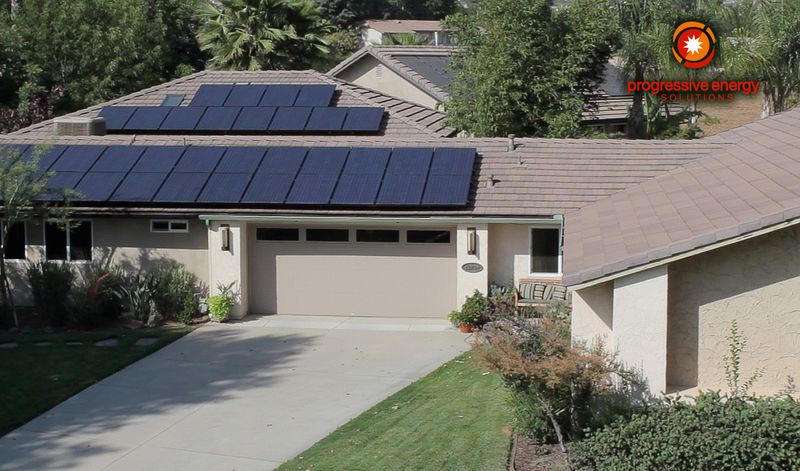
Solar Panels are increasing in energy generation and energy storage is getting better and better. You definitely need to make sure that your dwelling is positioned on the property to maximize benefits. While it is way down the road, make sure to investigate the implications of what happens when the day comes to replace your shingles. I would make sure you also have adequate insurance in the event the panels are damaged by hail, trees etc. and that you have a comprehensive maintenance program in place should you elect to have panels installed. You may want to check with your local building code authority and see if you are able to have solar panels on your property other than on the roof if you have enough space. Just like the VCR, solar panels are coming down in cost and going up in efficiency, so you may want to wait. If you could have many less panels in the near future, that produce more output, that may be the best choice. Here is a link of many residential applications https://images.search.yahoo.com/search/images;_ylt=A0LEVzpL309ThhkA45xXNyoA;_ylu=X3oDMTB0YXQwZXBpBHNlYwNzYwRjb2xvA2JmMQR2dGlkA1ZJUDQxNl8x?_adv_prop=image&fr=yfp-t-745-s&sz=all&va=solar+panels+homes
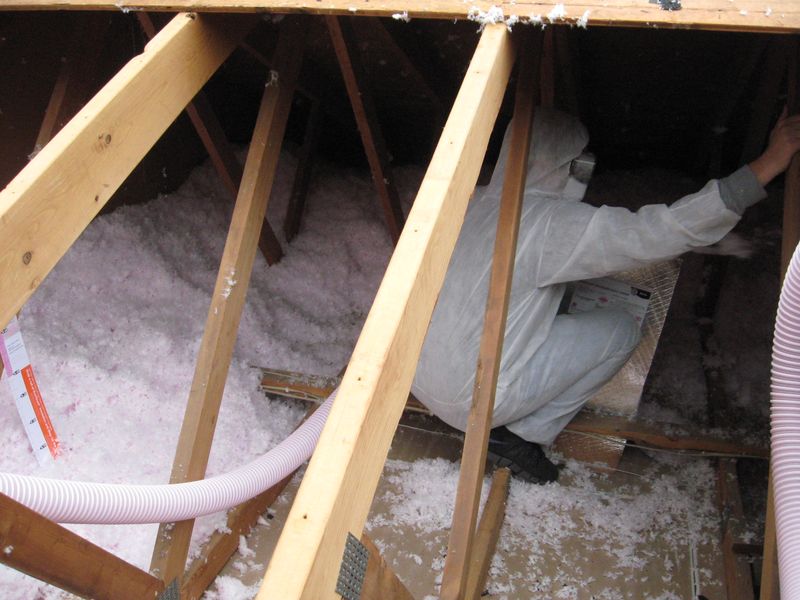
Check seals on doors & windows. Replace single pane windows with newer products. Check the attic for insulation. Loose fill, blown in insulation is the best. Make sure to seal any spots where air is escaping INTO the attic first. Also make sure your attic has both adequate intake AND exhaust ventilation. Make sure not to clog the airflow from the soffit area and the attic space by using Baffles as seen in the picture. Check out YouTube for other great suggestions.
If anyone tells you that you can save "X" with windows, throw them out of the home. Will you save something, yes. Is is impossible to tell what that something will be without a laboratory environment, yes as well.
When looking at window performance, it is imperative that you compare both U-Factors and Air Infiltration rates. A window that is tighter will be more efficient over its lifespan in the home.
WoW Home Solutions
We suggest Simonton Vinyl Replacement windows to all our customers. They are very energy efficient and work flawlessly. I will show a customer a lot of the times how I can open the window with ease with my pinky finger. It's hard to say how much you will save on your energy bill. There are a lot of factors involved. If you currently have a well insulated home and low energy bill you probably won't save that much. If your home isn't that well insulated and large energy bills it will show up more there. I use the example of my grandfather alot. He replaced his windows with Simonton about 10-15 years ago. They have a small 3 bedroom ranch and were having utility bills of $3-400 a month. They replaced the windows and the bill came down to $100 a month. If you are having a hard time keeping your rooms cool in the summer and warm in the winter, you will see a drastic difference in your comfort level along with the power bill. Another reason we offer Simonton is the affordability. We typically install a 5050 replacement window turnkey around $400 per window. Of course there are reasons this can go up, but typical install is on average this price. I would suggest going to simonton.com and searching for an experienced installer in your area. Hope this helps! Good luck with your search.
I say insulation should be at the top of your list. I would also take a look at your water pumps.
Here's a few of the items we actuallyp ersonally suggest when going green: http://xtremegreenhomes.com/green_options.php.
Alex,
Solar panels are a great long term solution for energy savings. The average time frame for recovering the initial cost of the panels and installation is about 5 years, so if you are planning on living in the home for longer than 5 years, you will begin to see a return on your investment around year 6 and beyond. Also a big bonus is that tax credits are available to homeowners on both the state and federal level for solar currently!
Hope this helps! Good luck with your new home =)
Eric Consuegra, Arocon Roofing and Construction
We have written on good bit on this subject: Please take a look at these blogs we wrote!
http://blog.akatlanta.com/2010/11/10-mistakes-not-to-make-when-heating.html
http://blog.akatlanta.com/2010/11/7-winterization-tips-to-keep-your-money.html
+1
If you can amortize it into the long term loan on the home, it is a 100% no brainer.
Yes!!
Air sealing and insulation are the two biggest things you can do to globally improve the efficiency of the home.
There are several articles on this application and I have yet to be in a home that didn't need it.
Tightening up the envelope across the attic surface will lessen air infiltration at all the other areas of the home.
Verify that all window and door seals/weatherstriping is in good shape.
Check to be sure doors and windows are caulked properly (no gaps, cracks or missing).
If you have an attic access, treat it like door opening and seal properly. If possible, create an insulated cover to go over it in the attic.
Check HVAC ductwork for leaks and seal with foil tape or mastic.
Wrap your hot water heater in a blanket.
I have yet to survey a home that didn't need additional insulation and more importantly....air sealing.
While HVAC systems are typically older in most homes that we audit, every home that I have ever been in leaks too much air and much, much more than is required.
Air Sealing and Insulation would be #1 and #2 on my list. After that, items like HVAC and windows will jockey for position depending on the condition of both.
The shape of your roof will definitely have an impact, but generally speaking, solar pays for itself in spades.
The other thing to consider is that solar is ideally tailored to your personal electricity requirements, which you won't know for sure until you've been in the house a few months (a year, for a complete picture). You're probably safe installing a smaller system (which is what you usually find on new construction), but you'll likely find it won't cover everything. If you decide to go forward now, just make sure the system is expandable down the line; this is one of many reasons you'll want microinverters as opposed to a string inverter.
Good luck!
Here's the scoop:
It all depends on your usage and how much room you have for panels, but we routinely knock out 100% of our clients' electricity bills.
However, the system will almost certainly be what we call "grid-tied", meaning that you will still be connected to your utility. This is important as solar tends not to work so well at night. So what will happen is you will produce more during the day than you need, pouring the extra power back into your utility and running up a credit, essentially using the utility like a "power bank". You then pull power from the "bank" at night. Note that this may happen on a daily level, or over the year, with your system producing a net surplus some months, and using that surplus in months where production is less.
The upshot is that, while your net consumption of power from your utility over the year may be zero (or close to zero), you will still "need...power from your local power company" in order to compensate for variances in solar production.
In addition, different financing methods may work best with different production goals, due to the way your utility prices the power you use, i.e. in a tier structure, versus how your solar is financed. This is a bit more complicated, but I'd be happy to walk you through it if you want to give me a call - John Cook, (888) 603-4255.
I hope that wasn't too technical or convoluted, but I wanted to make sure you had the facts. Good luck!